Tag Archives: prayer

Lord, Teach Us to Pray | Bible Gleanings | September 6-7, 2025

โ€œTeach me how to play like that,โ€ I requested, after watching the old man shred on the guitar. All I knew how to play was โ€œSweet Home Alabamaโ€ and โ€œSmoke on the Water,โ€ but I felt compelled to learn from his example after such an impressive performance. And after closely watching Jesus while He prayed, one of the disciples was so impressed that they inquired, โ€œLord, teach us to prayโ€ (Luke 11:1b). This prompted the Master-Prayer to give His disciples then and now what is known as The Lordโ€™s Prayer, which should be called The Disciplesโ€™ Prayer, since it is a model prayer for Christโ€™s followers to imitate (Matt. 6:9-13).

According to Jesus, God-pleasing prayer is God-centered prayer. Instead of giving God a long list of wants, believers should pray with a focus on the Father and His fatherly care for their needs (Matt. 6:9). Thus, children of God should pray with confidence and boldness because God is their Father (Matt. 6:5-8; cf. Heb. 4:16), but also with reverence and respect because God is their Father (Matt. 6:9b; cf. Psalm 3:4). Furthermore, when believers pray, they should contemplate and consider what God wants and wills, rather than what they want (Matt. 6:10). All faithful prayer begins with a concentration and meditation upon the Lord and His desiresโ€”not our own. 

God-pleasing prayer is also God-believing prayer. That is why Jesus urged His followers to bring all of their needs to the Lord in prayer, believing that He will meet them. Jesus said that believers should pray for daily necessities like bread, trusting that the omnipotent God will provide them without lifting a finger (Matt. 6:11). He also advised believers to pray for their spiritual needs, such as daily sin-cleansing, knowing that God will purify and forgive according to His abundant mercy (Matt. 6:12; cf. Psalm 51:1). Last but not least, Jesus instructs His saints to pray for the power and grace required to withstand temptation and the Tempter, Satan (Matt. 6:13).

The greatest Pray-er who ever lived knew a thing or two about God-glorifying prayer, and His model prayer is worthy of imitation. Therefore, start with God when you pray, and fixate upon His providence, goodness, mercy, grace, and holiness. Move on to praying about your physical and spiritual needs next, and โ€œin everything by prayer and supplication with thanksgiving let your requests be made known to Godโ€ (Phil. 4:6b). When you concentrate on God first and your needs last, you will find your problems and worries shrinking in comparison to the great God to whom you pray. David was scared to death that he was going to be killed until he recounted who the Lord wasโ€”then he laid down and slept like a baby (cf. Psalm 3:1-6). What would change in your life if you prayed more often like Jesus taught?


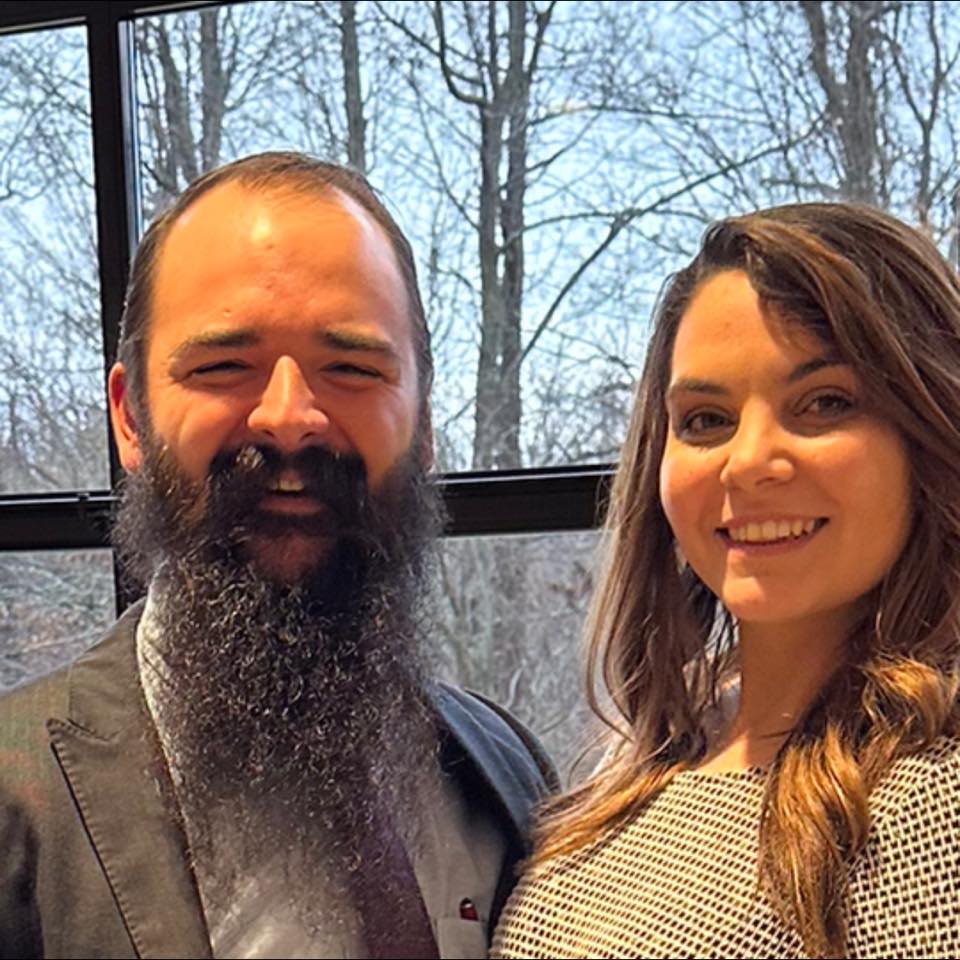
Brandon is the pastor of Bandana Baptist Church in Bandana, Kentucky, where he lives with his wife, Dakota, and their three dogs, Susie, Aries, and Dot. Brandon and Dakota are also foster parents through Sunrise Children’s Services of Kentucky. Brandon is also a published author and a religious columnist for the Advance Yeoman newspaper in Ballard County, Kentucky. He is also a devotional contributor for Kentucky Today, a news publication of the Kentucky Baptist Convention. His columns are also featured in the Times-Argus newspaper of Central City, Kentucky, West Kentucky News of western Kentucky, and the online blog, Reforming the Heart.

You Are Not Dumb Now | Bible Gleanings | August 30-31, 2025

โ€œI am not dumb now,โ€ she declared with delight. Helen Keller (June 27, 1880โ€”June 1, 1968) experienced a life-changing breakthrough and uttered her very first sentence. A violent fever bedeviled Keller as a baby, confiscating her ability to speak, see, and hear. But thanks to her lifelong friend and teacher Anne Sullivan, Keller was introduced at ten-years old to the principal of the Horace Mann School for the Deaf in Boston, Sarah Fuller. Most are aware of Sullivanโ€™s tireless support for Keller, who remained by her side until she died in 1936, but fewer are familiar with the remarkable techniques this caring principal employed to help Keller speak. 

Fuller gently placed Kellerโ€™s little hands in her mouth, allowing her to feel the sounds of consonants and vowels as Fullerโ€™s jaw, tongue, and teeth moved. Keller then practiced speaking simpler words like mamma and papa, and after only seven lessons, she mastered the basics and murmured this turning-point sentence. Profoundly inspired, she quickly mastered lip-reading through touch, โ€œhearingโ€ speeches from President Roosevelt and jokes by Mark Twain, and even deciphering what was on the radio from its vibrations. She diligently applied herself to all subjects, from arithmetic to zoology, and upon graduating college with special honors in English, she delivered her first public speech in 1913. Afterward, she embarked on transcontinental speaking tours, sharing her exhilarating turnaround story with the worldโ€”all because a patient teacher named Sarah Fuller helped a mute woman speak.

This is precisely how the Holy Spirit operates in the hearts and lives of believers. Without the divine assistance of this Teacher, we are spiritually muteโ€”unable to speak to God or about God to others. He teaches us how to pray when we cannot find the right words (Rom. 8:26), making the syllables of prayer natural to us. And He forms the gospel of Christ on our lips when fear makes us speechless. As Jesus promised, โ€œAnd when they bring you before the synagogues and the rulers and the authorities, do not be anxious about how you should defend yourself or what you should say, for the Holy Spirit will teach you in that very hour what you ought to sayโ€ (Luke 12:11-12).

โ€œBut when the Helper comes,โ€ Christ assured, โ€œwhom I will send to you from the Father, the Spirit of truth, who proceeds from the Father, he will bear witness about me. And you also will bear witnessโ€ (John 15:26-27a). This does not mean you will always speak on stagesโ€”it does mean that, through the empowerment of the Spirit, any location can be a pulpit to speak for Christ. When you submit to His power, the Holy Spirit will turn your silence into sharingโ€”whether at the dinner table, the hospital room, the workplace cubicle, the local church, or the classroom. Thus, whenever you stammer in prayer or struggle to speak for Christ among others, remember: because of the Teacher-Spirit, you are not dumb now.


Brandon is the pastor of Bandana Baptist Church in Bandana, Kentucky, where he lives with his wife, Dakota, and their three dogs, Susie, Aries, and Dot. Brandon and Dakota are also foster parents through Sunrise Children’s Services of Kentucky. Brandon is also a published author and a religious columnist for the Advance Yeoman newspaper in Ballard County, Kentucky. He is also a devotional contributor for Kentucky Today, a news publication of the Kentucky Baptist Convention. His columns are also featured in the Times-Argus newspaper of Central City, Kentucky, West Kentucky News of western Kentucky, and the online blog, Reforming the Heart.

The Divine Drawbridge | Bible Gleanings | August 23-24, 2025

The man was sickly, impoverished, and defenseless. The apothecary gave him a cordial, but it was watered-down liquor. A landowner lent him coins, but they slipped through the holes in his satchel. When wolves encircled his home, he drove them away with sticks and stones, only to suffer greater wounds each night. But his dwindling hope revived with a promising thought: โ€œPerhaps the king shall take pity upon me.โ€

Legends of the kingโ€™s wisdom in medicine, abundance of wealth, and vast armory spread among the villages. The king was also known to be generous. In desperation, the man boldly sought the kingโ€™s helpโ€”something peons would never entertain. And after journeying three days, he beheld the kingโ€™s towering castle with relief, only to find the drawbridge raised. With no way inside, the man began hiking homeโ€”until he heard a horse galloping behind him. 

Its rider drew close and asked, โ€œFriend, I saw you at the entrance of the kingโ€™s castle, appearing vexed. What burdens you?โ€

The man initially hesitated, but finally confessed: โ€œI am dying, famished, and plagued by wolves each night. I believed the king could help, but I dared not force my way in.โ€

The rider nodded and said, โ€œI shall see what may be done.โ€

The manโ€™s eyes glimmered with hope, and he asked: โ€œTruly? And may I askโ€”who are you?โ€

The rider smiled and answered, โ€œI am the kingโ€™s son. Return tomorrow.โ€

And the horse-mounted prince rode off into the dusk.ย 

At daylight, he returnedโ€”and there stood the kingโ€™s son beside the drawbridge. He commanded the drawbridge to lower, and sat the man on his own horse and proceeded inside.

When they reached the throne room, he began to petition the king: โ€œMy lord and king, I,โ€ but the kingโ€™s son raised his hand to silence him.

โ€œFather, this man is poor,โ€ said the prince, โ€œHe is sick and beset by foes. And he has come seeking your mercy.โ€

Immediately, the king answered, โ€œLet it be done. Fill his pockets with my own gold. Give him the healing cordial I have prepared. And arm him plentifully, that he may ward off the wolves.โ€

The Bible speaks of another needy man, another King, another Son, and another drawbridge. As sinners, we are impoverished beggarsโ€”sick because of sin, spiritually bankrupt, and defenseless against the wolf, Satan. But God can heal our souls, enrich us with His grace, and equip us with weapons to withstand the devil. And we can enter the throne room of the King to receive what we need, so long as we believe that Jesus, the Prince of Peace, can bring us into Godโ€™s presence (John 14:6). God lowers the drawbridge of prayer to those accompanied by His Son. That is why the Scripture says, โ€œLet us then with confidence draw near to the throne of grace, that we may receive mercy and find grace to help in time of needโ€ (Heb. 4:16).


Brandon is the pastor of Bandana Baptist Church in Bandana, Kentucky, where he lives with his wife, Dakota, and their three dogs, Susie, Aries, and Dot. Brandon and Dakota are also foster parents through Sunrise Children’s Services of Kentucky. Brandon is also a published author and a religious columnist for the Advance Yeoman newspaper in Ballard County, Kentucky. He is also a devotional contributor for Kentucky Today, a news publication of the Kentucky Baptist Convention. His columns are also featured in the Times-Argus newspaper of Central City, Kentucky, West Kentucky News of western Kentucky, and the online blog, Reforming the Heart.

The Prince and the Drawbridge: A Short Story

The man was sickly, impoverished, and defenseless against danger. The local apothecary gave him cordial, but it turned out to be watered down liquor. A rich landowner lent him coins, but they slipped through the holes in his satchel. When wolves encircled his home, he would drive them back with sticks and stones, only to suffer greater wounds each night. And suddenly, his dwindling hope revived when a promising thought entered his weary mind:

“Perhaps the king shall take pity upon me.”

Stories of the kingโ€™s wisdom in medicine, abundance of wealth, and vast armory circulated among the villages, and the peasant man heard his fair share, too. More than that, the king had a reputation for being generous. In desperation, he boldly sought the kingโ€™s helpโ€”something peons would never entertain.

And after journeying three days, he looked upon the kingโ€™s towering castle with relief. But then his heart sank into his belly: a moat enclosed the castle and the drawbridge was raised.ย 

โ€œAlas! I cannot enter,โ€ he lamented. โ€œI shall wait here, and perhaps one of the kingโ€™s men will notice me.โ€

But the sun soon sank behind the horizon, and so did his hope. Suddenly, the drawbridge lowered, and a rider upon a white steed emerged, but galloped right past him. And the drawbridge raised again.ย 

He began traveling home, his heart sorer than ever. But while on the way, a horseman drew near. โ€œFriend,โ€ he asked, โ€œI saw thee at the entrance of the castle, appearing vexed. What burdens thee?โ€ The man initially hesitated, but finally spoke up:

โ€œI am dying, with no cure. My purse is empty and wolves prowl my fences. I heard your king was kind, and thought he could help me. But seeing no entry, I dared not force my way in.โ€

The rider nodded and said, โ€œI shall see what may be done.โ€

The manโ€™s eyes glimmered with hope and he asked, โ€œTruly? And may I askโ€”who art thou?โ€

The rider then smiled and said, โ€œI am the kingโ€™s son.โ€

The horseman then disappeared into the dusk, telling the man to return tomorrow.

At daylight, the man returnedโ€”and there was the kingโ€™s son beside the drawbridge. At his command, the drawbridge lowered, and the prince sat the man on his own horse and proceeded inside until they made it to the throne.

โ€œMy lord and king, I,โ€ but then the kingโ€™s son raised his hand.

โ€œFather, this man is poor,โ€ he said. โ€œHe is sick and beset by foes. And he has come seeking thy mercy.โ€

Immediately, the king answered, โ€œLet it be done. Fill his pockets with my own gold. Give him the healing cordial I have prepared. And arm him plentifully, that he may ward off the wolves.โ€

The son lowered the drawbridge to the king, and the peasant was welcomed into his presence, receiving all that he lacked.


The Scripture tells of another King, another Son, another drawbridge, and another needy man. We are needy sinners who require what only God can give us, and prayer is the drawbridge the Father lowers to those accompanied by His Son, that we may enter His throne-room to receive the grace and we need.

We cannot gain access on our own. We cannot sneak through the back door. There is no way of getting in unless the drawbridge is lowered by the Prince of Peace, Jesus.

And when He brings us into Godโ€™s throne-room, we always receive what we need, not what we may want. What He gives according to His will is better than what we want or what we might seek from this wicked world. Our spiritual illnesses cannot be healed by the placebos the world offers. Our spiritual poverty cannot be reversed by earthly riches. And we are defenseless against the wolf, Satan. But through prayer, we enter Godโ€™s throne-room, where He heals our soulโ€™s diseases, enriches us, and equips us with the weapons we need to fight in spiritual warfareโ€”so long as the Son brings us inside (Heb. 4:14-16)


Brandon is the pastor of Bandana Baptist Church in Bandana, Kentucky, where he lives with his wife, Dakota, and their three dogs, Susie, Aries, and Dot. Brandon and Dakota are also foster parents through Sunrise Children’s Services of Kentucky. Brandon is also a published author and a religious columnist for the Advance Yeoman newspaper in Ballard County, Kentucky. He is also a devotional contributor for Kentucky Today, a news publication of the Kentucky Baptist Convention. His columns are also featured in the Times-Argus newspaper of Central City, Kentucky, West Kentucky News of western Kentucky, and the online blog, Reforming the Heart.

The Prayer-Prioritizer | Bible Gleanings | June 21-22, 2025

The calm morning silence was gently broken by the voice of the One whose mercies are new every morning. The lonesome mountain was occupied by the One who fashioned it in the beginning. And no one could hear Him in this desolate place, except for the God who hears everything. Jesus started His day by starting to pray: “And rising very early in the morning, while it was still dark, he departed and went out to a desolate place, and there he prayed” (Mark 1:35).

This portrayal of Jesusโ€™ prayer life is as mystifying as it is magnificent: after all, why did Christ pray if He was God in the flesh? Certainly, Jesus prayed to please God. Christ knelt to pray because the Father delights in prayer, and Jesus always did that which brought His Father divine delight (John 14:31). Jesus did not need to pray any more than He needed to be baptized, yet He did both to โ€œfulfill all righteousnessโ€ (Matt. 3:15). Because of this, He set an example for all of His followers to emulate. Thus, walking as He walked entails talking as He talked to God (1 John 2:6).

Christ sitting on the mountain to pray also foreshadowed His future position of being seated at Fatherโ€™s right hand, where He now makes eternal intercession for His saints. Jesusโ€™ prayers on earth were a shadow of His prayers in eternity on behalf of His beloved children. As Paul assured, โ€œWho is to condemn? Christ Jesus is the one who diedโ€”more than that, who was raisedโ€”who is at the right hand of God, who indeed is interceding for usโ€ (Rom. 8:34). And, as the author of Hebrews encouraged, โ€œWherefore he is able also to save them to the uttermost that come unto God by him, seeing he ever liveth to make intercession for themโ€ (Heb. 7:25, KJV). Thus, Jesus is the record-holder for the โ€œlongest prayerโ€ because He prayed on earth and continues to pray for His followers throughout eternity. 

But arguably, the greatest reason why the God-Man prayed to the Father is because He loved Him. Communication and communion with those whom you love is normal and natural. You can even converse with loved ones for hours on end, whether you are well-rested or worn out, simply because you cherish them. The same was true of Christ, who loved God with all of His heart, soul, mind, and strength. As Jesus declared, โ€œBut I do as the Father has commanded me, so that the world may know that I love the Fatherโ€ (John 14:31).

Therefore, the real question is: why wouldnโ€™t He pray? And, since we are fleshly, weak, and sinful, why wouldnโ€™t we? Why would we do anything other than pray, since Christ has made it possible to approach the Father through His atoning death and mediatorial intercession?


Brandon is the pastor of Bandana Baptist Church in Bandana, Kentucky, where he lives with his wife, Dakota, and their three dogs, Susie, Aries, and Dot. Brandon and Dakota are also foster parents through Sunrise Children’s Services of Kentucky. Brandon is also a published author and a religious columnist for the Advance Yeoman newspaper in Ballard County, Kentucky. He is also a devotional contributor for Kentucky Today, a news publication of the Kentucky Baptist Convention. His columns are also featured in the Times-Argus newspaper of Central City, Kentucky, West Kentucky News of western Kentucky, and the online blog, Reforming the Heart.

The Unexpected Blessing of Unanswered Prayer

Unanswered prayer is a razor-sharp instrument of sanctification that the Lord uses to slice open our idolatrous, covetous, unbelieving, and impatient hearts.

That has been my experience, anyway.

When the Lord does not grant us what we want or think we need, our sinful inclination is to desire what we are praying for more than we desire the will of God, which may or may not include the things we have prayed for. The things for which we have yearned for and cried for in prayer may even be good, but our idol-worshipping hearts have a way of turning good things into god-things (Rom. 1:25). A good thing can swiftly become a golden calf and we can easily become fixated upon what we want, allowing everything in our lives to revolve around it, thus, inhibiting contentment with the Lord and His will.

Of course, this is contrary to the kind of God-pleasing obedience which Jesus exemplified in the gloomy garden of Gethsemane (Luke 22:42). He prayed that the cup of God’s righteous indignation would pass from Him, if it were possible. For a brief moment, He prayed for a plan B. Nevertheless, He submitted to God’s sovereign plan of redemption, content with the Lord’s will, which was to “crush Him” (Isa. 53:10). Jesus desired the will of God more than what He prayed for.

Unanswered prayer can also reveal our unholy disposition to question God’s promises and provision, as if His word has failed because we have failed to receive what we have asked for in prayer. When the Lord denies our request(s), we can slip into unbelief and falsely suppose that God is going to give us a serpent or a stone, or worse, that He will withhold the bread and good gifts which He promises to give His children. Walking by sight instead of by faith, we can easily interpret a “No” from God as His displeasure or a failure to keep His word.

Unanswered prayer can also expose our impatience and unwillingness to wait upon the Lord. Perhaps He will give us what we are praying for, but today is not the day. Tomorrow may not be the day, either. Perhaps His denial or delay is because He has something much better in store. Only the Lord knows. But what is certain is that when we do not immediately receive what we are praying for, we have a tendency to grow frustrated and impatient.

To be certain, unanswered prayer can be painful, but it is often painful in the same way that open heart surgery is painful; the heart has to be lacerated and opened in order to get it working right. And the Lord has a way of using unanswered prayers to expose the evil of our hearts and show us that all we truly need is Him. Because of this, unanswered prayer can often be an unexpected blessing.

Brandon is the pastor of Bandana Baptist Church in Bandana, Kentucky, where he lives with his wife, Dakota, and their three dogs, Susie, Aries, and Dot. Brandon and Dakota are also foster parents through Sunrise Children’s Services of Kentucky. Brandon is also a published author and a religious columnist for the Advance Yeoman newspaper in Ballard County, Kentucky. He is also a devotional contributor for Kentucky Today, a news publication of the Kentucky Baptist Convention. His columns are also featured in the Times-Argus newspaper of Central City, Kentucky, West Kentucky News of western Kentucky, and the online blog, Reforming the Heart.

Let It Snow | Bible Gleanings for Advent | December 7-8, 2024

Nothing is more enchanting than waking up to a blanket of snow covering the neighborhood on Christmas morning. Nearly everyone dreams of a white Christmas because snow makes it feel like Christmas. Without snow, there are no snowmen, snowball fights, or โ€œdashing through the snow in a one-horse open sleigh.โ€ Christmas and snow go together like hot cocoa and marshmallows. 

Snow is also a biblical symbol for righteousness and purity. Snow was the purest form of white to the Jewsโ€”nothing was as perfect and pure. Not to mention, the fluffy flakes covered the filth and dirt of the earth. It is no wonder that people in Scripture sought to be as pure as snow, such as David, who prayed, โ€œPurge me with hyssop, and I shall be clean; wash me, and I shall be whiter than snowโ€ (Psalm 51:7). The prophet Daniel also used this imagery to describe God who is uncompromisingly pure and holy: โ€œAs I looked, thrones were placed, and the Ancient of Days took his seat; his clothing was white as snowโ€ (Daniel 7:9a).

The Lord reminded His people in Isaiah 1:18 that they were not as white as snow: โ€œCome now, let us reason together, says the LORD: though your sins are like scarlet, they shall be as white as snow; though they are red like crimson, they shall become like wool.โ€ Their sins were like โ€œscarlet,โ€ which is as red as red can be. They were stained, and the sin that colored their lives needed to be washed away. And God promised that they could be made white like snow if they turned to Him in repentance (cf. vv. 19-20). Despite being engulfed in sinโ€™s filth, they could be snow-white by the Lordโ€™s thorough washing. 

You also need the Lord to cleanse you of sin. Paradoxically, the blood of Jesus Christ is the only sufficient means of being purified from sinโ€™s crimson stain. As John the apostle said, โ€œThe blood of Jesus his Son cleanses us from all sinโ€ (1 John 1:7b). His death makes you whiter than snow in the sight of God because He clothed Himself in the filthy rags of your sin and, in exchange, gives you the white robes of His righteousness (2 Cor. 5:21). You receive this cleansing when you repent of your sins and trust completely in Christ alone for your salvation (Acts 17:30; Ephesians 2:8-9). 

Unfortunately, sin will still make you muddy every now and then. And Jesus will continue to wash you when it does. That is why, whenever you sin, you must plead the words of James Nicholsonโ€™s hymn, โ€œWhiter Than Snowโ€

โ€œLord Jesus, for this I most humbly entreat,

I wait, blessed Lord, at Thy crucified feet;

By faith, for my cleansing I see Thy blood flow,

Now wash me and I shall be whiter than snow.โ€

Brandon is the pastor of Bandana Baptist Church in Bandana, Kentucky, where he lives with his wife, Dakota, and their three dogs, Susie, Aries, and Dot. Brandon and Dakota are also foster parents through Sunrise Children’s Services of Kentucky. Brandon is also a published author and a religious columnist for the Advance Yeoman newspaper in Ballard County, Kentucky. He is also a devotional contributor for Kentucky Today, a news publication of the Kentucky Baptist Convention. His columns are also featured in the Times-Argus newspaper of Central City, Kentucky, West Kentucky News of western Kentucky, and the online blog, Reforming the Heart.

Sermon: Pray, Pray, Pray! Part 2 (James 5:13-18)

Brandon is the founder and main contributor to Brandon’s Desk, the blog with biblical resources from his ministry. He is proud to be the pastor of the family of believers at Locust Grove Baptist Church in Murray, Kentucky. He and his wife Dakota live there with their three dogs, Susie (Jack Russell), Aries (English shepherd), and Dot (beagle).

Sermon: Pray, Pray, Pray! Part 1 (James 5:13-18)

Brandon is the founder and main contributor to Brandon’s Desk, the blog with biblical resources from his ministry. He is proud to be the pastor of the family of believers at Locust Grove Baptist Church in Murray, Kentucky. He and his wife Dakota live there with their three dogs, Susie (Jack Russell), Aries (English shepherd), and Dot (beagle).

The Priority of Prayer | Bible Gleanings – July 15-16, 2023

It makes burdens heavier. It makes temptations insurmountable. It makes tribulations unbearable. It makes obedience impossible. What is it? Prayerlessness.

Without prayer, believers are without peace, power, patience, and potential. This is because God has ordained prayer as the instrument through which His children can obtain all of these blessings. Prayer is the conduit through which the believer receives the โ€œpeace of God, which surpasses all understandingโ€ (Phil. 4:6-7). Prayer is the channel through which the Christian obtains temptation-overcoming power (Matt. 26:41). Prayer is the vehicle that God uses to grant patience and perseverance to His people in times of pain (James 1:4-8). And prayer is the pipeline that gives Godโ€™s children the Spirit-enabled desire and ability to obey His commands (Gal. 5:16; Eph. 6:18).

If we do not remain on our knees in the posture of prayer, we forfeit all of those blessings, just like Peter did. The reason he denied Christ three times was because of prayerlessness. While Jesus was in the Garden of Gethsemane, He admonished Peter twice to pray so that he would not fall into temptation (Luke 22:39-46). Satan wanted to sift him like wheat, and Peter needed to pray for perseverance to withstand his attacks (Luke 22:31-34). But, there is no such prayer recorded in the Gospels. Instead, what is recorded is his serious sin of denying Christ thrice (Luke 22:54-62).

Peter evidently realized that persistent prayer is a priority since he wrote about it three times in his First Epistle (1 Peter 3:7, 12; 4:7). The prophet Samuel understood the seriousness of prayerlessness, too. Thatโ€™s why he declared to the Israelites, โ€œMoreover as for me, God forbid that I should sin against the LORD in ceasing to pray for youโ€ (1 Samuel 12:23a, KJV). Additionally, prayerlessness is not only a sin, it is also a death sentence for any believer. That is why the reformer Martin Luther once observed, โ€œTo be a Christian without prayer is no more possible than to be alive without breathing.โ€

Therefore, believers must โ€œpray without ceasingโ€ (1 Thess. 5:17). Christians should pray at all times in the Spirit (Eph. 6:18). Godโ€™s children should constantly cry out to the Father who knows their needs (Matt. 6:5-13). All those redeemed by Christ ought to confidently and continuously approach the throne of grace by kneeling in prayer before the Lord (Heb. 4:16). In spite of its age, the classic hymn What a Friend We Have in Jesus still rings true: 

โ€œWhat a friend we have in Jesus,

all our sins and griefs to bear!

What a privilege to carry

everything to God in prayer!

O what peace we often forfeit,

O what needless pain we bear,

all because we do not carry

everything to God in prayer!โ€ (Joseph Medlicott Scriven, 1819โ€”1886)

Bible Gleanings is a widely-read weekend devotional column, written for the Murray Ledger & Times in Calloway County, Kentucky. 

Brandon is the founder and main contributor to Brandon’s Desk, the blog with biblical resources from his ministry. He pastored the family of believers at Locust Grove Baptist Church in Murray, Kentucky for six years. He and his wife Dakota live there with their three dogs, Susie (Jack Russell), Aries (English Shepherd), and Dot (Bluetick Beagle).

For more devotional entries like this, check out Brandon’s latest book, Bible Gleanings Volume II, which features 100 daily devotionals gleaned from God’s word: